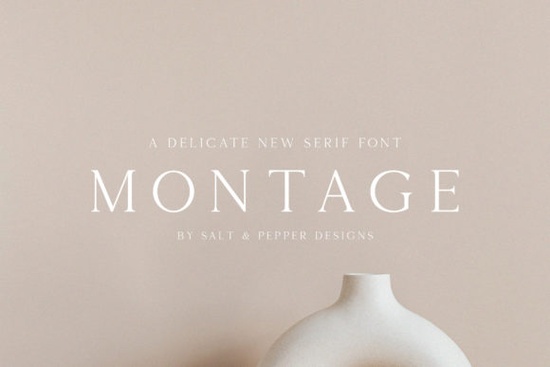
If you are looking for a typeface that brings quiet elegance to branding, wedding stationery, or print-on-demand products, Montage Font delivers exactly that. This thin-lettered serif carries an authentic, refined feel without overwhelming your layout. Designers and small business owners often choose lightweight serifs when they want a polished look that reads clearly at various sizes. Whether you are drafting a boutique logo, styling product packaging, or creating minimalist quotes for wall art, the delicate strokes and balanced spacing make it a reliable choice for everyday creative work.
What makes this thin serif style work for luxury and minimalist layouts?
Thin serifs have a way of feeling expensive without shouting for attention. The narrow letterforms and clean terminals create plenty of white space, which helps your design breathe. When you pair that natural openness with a restrained color palette, the result looks intentional and professional. Crafters who cut vinyl decals or laser-engrave wood often prefer lighter weights because they reduce material waste and keep fine details intact. If you are building a visual identity for a skincare line, a jewelry shop, or a high-end café, the understated character of this typeface keeps the focus on your product photography and messaging. You can also explore how it compares to other serif options for refined branding when you need a slightly different mood.
Where does it fit best in real-world projects?
Not every font works across multiple mediums, but a well-drawn thin serif adapts smoothly when you know how to scale it. Here are a few places where it consistently performs well:
- Wedding and event suites: Invitations, place cards, and menu layouts benefit from the graceful letterforms.
- Print-on-demand apparel and mugs: Keep the point size moderate so the thin strokes do not disappear during printing.
- Small business packaging: Tissue paper stamps, thank-you cards, and product labels look crisp and cohesive.
- Social media templates: Quote graphics and announcement posts gain a clean, editorial feel.
When you are testing layouts, remember that thin fonts need room to shine. Tight tracking or heavy drop shadows can muddy the delicate lines. If you want a slightly warmer alternative for seasonal campaigns, you might browse how softer serif styles handle in low-contrast backgrounds.
How do you pair it with other typefaces without creating visual clutter?
Pairing is mostly about contrast and hierarchy. Since this font already carries a light, elegant presence, match it with something sturdy and highly readable. A neutral sans serif works beautifully for body copy, pricing tables, or longer descriptions. If you are designing a multi-page lookbook or a digital planner, reserve the thin serif for headlines, chapter dividers, and short pull quotes. Keep your palette to two fonts maximum to maintain a clean structure. When you need a more nostalgic vibe for vintage-inspired labels, you can see how classic machine-style lettering creates a different kind of contrast. For projects that demand a stronger editorial voice, testing how sharper serif weights behave alongside your layout can help you decide which combination reads best on screen and paper.
What should you check before sending files to print or publishing online?
Thin fonts look stunning, but they require a few practical adjustments to avoid production issues. Start by testing your design at actual size. What looks crisp on a retina display can vanish on a standard home printer or a dark fabric. Increase line height slightly to prevent the delicate ascenders and descenders from touching. Convert your text to outlines only after you have proofread everything, and keep a live text copy in your working file. If you are uploading to a print-on-demand platform, always request a physical sample before listing the product. Paper weight, ink spread, and fabric texture all affect how fine strokes render. You can also review the official Montage Font page for licensing details and file formats that match your workflow.
Quick pre-flight checklist for clean results
Before you finalize your design, run through these practical steps:
- Verify that the thin strokes remain visible at 100% zoom and in grayscale.
- Add 5–10% extra letter spacing for headlines to improve readability.
- Test dark text on light backgrounds first; reverse the colors only after a print proof.
- Export PDFs with embedded fonts or outlined text to prevent substitution errors.
- Save a master file with editable text layers for future updates.
Pick one project you are currently working on, swap in the typeface for your main heading, and print a quick test sheet. Adjust the size and spacing until the letters feel balanced, then move forward with confidence.
Explore Design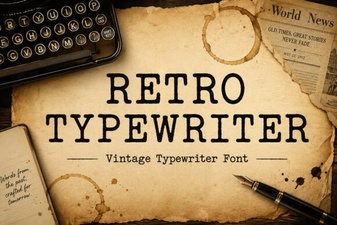 Design with Vintage Charm: Typewriter Fonts for Your Projects
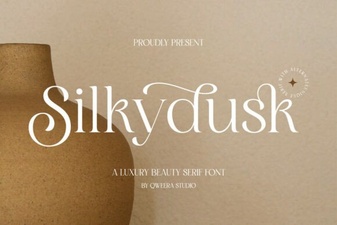 Silkydusk Font: Elegant & Creative Typeface Design
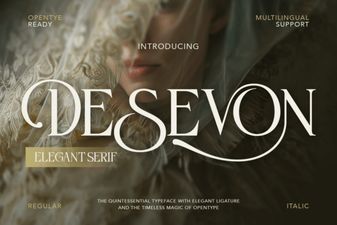 Desevon Font: Creative Typography for Designers
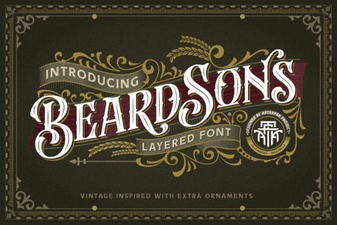 The Beardsons Font: for Creative Design & Typography
 Hunters Font: Creative K-Pop Design Ideas
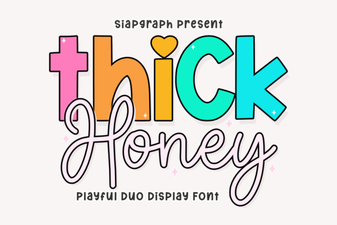 Thick Honey Duo Font for Creative Projects