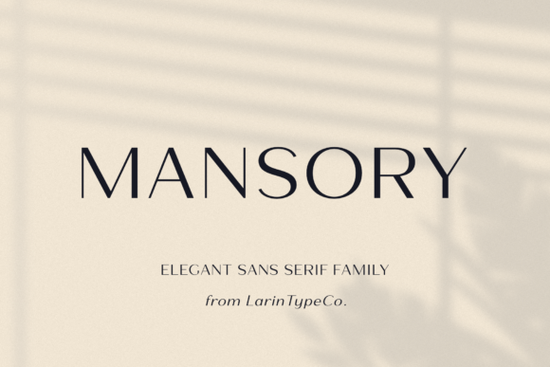
If you need a clean, lightweight typeface that keeps layouts readable without feeling plain, Mansory Font is a practical addition to your creative toolkit. Built as a light sans serif, it balances modern simplicity with subtle character. Whether you are drafting brand assets, preparing print-on-demand merchandise, or building editable templates for clients, this typeface handles everyday design work without competing with your imagery or colors.
What makes a light sans serif reliable for daily projects?
Light fonts often lose clarity when scaled down for product labels or mobile screens. Mansory avoids that issue by maintaining consistent stroke widths and open letterforms. The spacing is tuned for smooth reading, which means you can safely use it for body copy, subheadings, or short marketing phrases without creating visual clutter. For small business owners and independent makers, that kind of predictability saves hours. You spend less time manually adjusting kerning and more time finishing the actual deliverable.
The design also leans into a neutral aesthetic that adapts to different brand moods. Pair it with muted tones for a calm, editorial feel, or combine it with bright accents for a fresh, contemporary look. Because the characters are evenly proportioned, the typeface holds up across both print and digital outputs. That flexibility matters when you are juggling social graphics, packaging tags, and website banners in the same week.
Which projects work best with this style?
Not every font fits every job, but a balanced sans serif covers a surprising amount of ground. Here are a few areas where this particular weight consistently performs well:
- Print-on-demand apparel and accessories: Clean lines translate sharply to screen printing and direct-to-garment methods, keeping text crisp on textured fabrics.
- Minimalist branding and logos: The light weight creates an airy, professional impression that suits boutiques, studios, and service-based businesses.
- Digital planners and printable templates: Readers appreciate type that does not strain the eyes, making it a safe choice for multi-page layouts.
- Craft cutting files and vinyl decals: Simple strokes cut cleanly on standard hobby machines, reducing weeding time and material waste.
If you regularly switch between physical products and digital downloads, keeping a versatile sans serif on hand reduces the need to constantly hunt for replacements.
How do you pair it without creating visual conflict?
Font pairing is less about strict rules and more about managing contrast. Since Mansory sits on the lighter, cleaner side of the spectrum, it responds well to companions that bring either weight or personality. You might combine it with a sturdy display font for headlines, or let it handle supporting text while a handwritten script takes the spotlight. When browsing through a collection of lightweight sans serif options, you will notice how subtle differences in x-height and terminal shapes change the overall mood of a layout.
If your project needs a slightly heavier alternative for emphasis, exploring a medium-weight sans serif companion can give you that extra visual anchor without breaking consistency. For lifestyle brands or home decor lines, mixing in a softer, approachable typeface helps balance the clean geometry with a warmer feel. And when you are aiming for a retro-modern aesthetic, pairing this light style with a vintage-inspired display font creates a thoughtful contrast that feels intentional rather than random.
What should you verify before adding it to your workflow?
Downloading a new font is straightforward, but integrating it smoothly requires a few quick checks. First, confirm the file formats included in the package. Most modern design software supports OTF and TTF files, but if you work primarily in web environments, you may need WOFF versions or a separate web license. Second, review the character set. A complete glyph collection with proper punctuation, numbers, and multilingual support prevents unexpected missing characters when you format pricing tables or switch languages.
Licensing is another practical detail that often gets overlooked. Personal and commercial licenses differ significantly, especially if you plan to sell finished products, offer editable templates, or use the typeface in client branding. Always read the included license file or check the product page to confirm what is allowed. Keeping a simple spreadsheet of your purchased fonts and their usage rights saves headaches down the road, particularly when you scale your shop or take on larger contracts.
Quick setup checklist before you start designing
- Install both OTF and TTF versions if available, then restart your design software to ensure proper recognition.
- Test the font at small sizes (8–10 pt) and large sizes (48+ pt) to verify readability across your intended outputs.
- Adjust line height and tracking manually, especially for multi-line paragraphs or tight packaging labels.
- Confirm commercial licensing terms for print-on-demand, digital downloads, and client work before publishing.
- Save a styled text preset in your preferred program so you can reuse the exact spacing and color settings later.
 Sweet Home Font Design Ideas and Tutorials
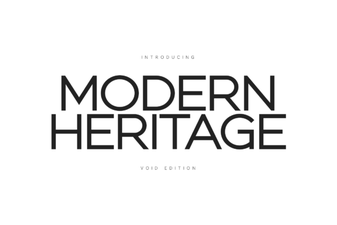 Embrace Timeless Typography with Modern Heritage Fonts
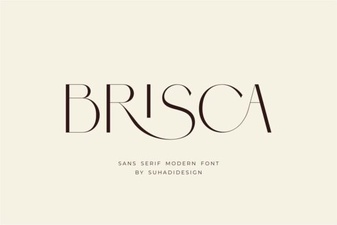 Brisca Font: Creative Typeface Projects & Design Tips
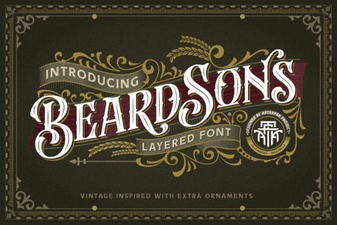 The Beardsons Font: for Creative Design & Typography
 Hunters Font: Creative K-Pop Design Ideas
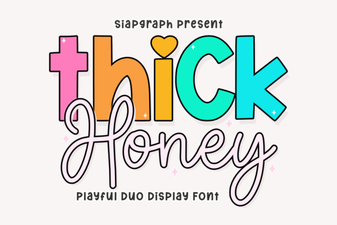 Thick Honey Duo Font for Creative Projects