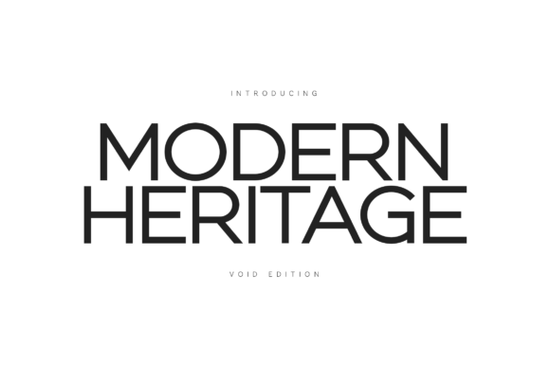
If you are looking for a clean sans-serif that handles negative space well, Modern Heritage Font gives you a reliable starting point. The Void Edition focuses on generous spacing and steady monolinear strokes, which keeps layouts feeling open even when you pack in a lot of text. Designers, small business owners, and print-on-demand sellers often choose this style when they want a polished look without heavy visual weight. Crafters and creative hobbyists also appreciate how easily it scales from business cards to large-format posters.
What makes this typeface different from other sans-serifs?
The design borrows from classic Swiss typography but removes unnecessary decorative details. You get a tall x-height, sharp terminals, and a high-contrast structure that reads clearly on both screens and printed materials. The extra breathing room between characters prevents crowded headings, and the uniform stroke width keeps body copy steady. If you have tried other minimal fonts that feel too tight or too stylized, you will notice how this one stays quiet while still holding attention. For a similar clean approach, you might also browse how the brisca typeface handles spacing in modern branding projects.
Which projects actually work well with this style?
This font fits best when your goal is clarity and a refined tone. Architectural portfolios, interior design lookbooks, and fashion labels use it to keep the focus on photography and product details. Print-on-demand sellers find it useful for minimalist apparel tags, studio logos, and packaging that needs to look expensive without shouting. Tech startups and app interfaces also benefit from the readable letterforms, especially on dashboards where users scan information quickly. When you need something slightly softer for lifestyle brands, the sweet home lettering style can complement stricter sans-serifs nicely.
How do you pair it without cluttering your layout?
Keep the hierarchy simple. Use the font for headlines and subheads, then step down to a neutral body typeface that shares similar proportions. Avoid mixing it with heavy display scripts or overly geometric companions, since the clean lines already carry enough presence. Stick to two weights maximum per layout, and let white space do the heavy lifting. If you are building a brand kit, test your combinations at small sizes first. Some designers also compare it alongside the mansory lettering approach to see which weight distribution fits their grid better.
What should you check before adding it to your workflow?
Always review the character set, licensing terms, and file formats before you commit. Make sure the download includes the weights you actually need, and verify that the license covers commercial use if you plan to sell products or client work. Test the font in your preferred software, check kerning on capital letters, and run a quick print proof to see how the strokes hold up on different paper stocks. You can explore Modern Heritage Font directly on Creative Fabrica to confirm current files and usage rights.
How do you get the most out of the spacing and layout?
Negative space only works when you give it room. Increase line height slightly for body text, and avoid squeezing tracking below zero. When designing social templates or product mockups, align your text blocks to a consistent baseline grid. Save a few preset styles in your design software so you do not have to rebuild spacing rules for every new project. If you ever need a stricter geometric alternative for comparison, the modern heritage collection page keeps related sans-serif options in one place.
Before you finalize your design, run through this quick checklist:
- Test headings at 100% zoom and on a mobile screen
- Check contrast ratios for accessibility compliance
- Verify commercial licensing matches your intended use
- Print a small sample to review stroke weight on paper
- Save your spacing presets and export a style guide for future projects
Start with one layout, adjust the tracking until the text breathes, and keep your file organization simple. Clean typography works best when you let the letters do the talking.
Try It Free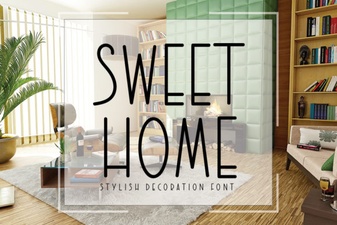 Sweet Home Font Design Ideas and Tutorials
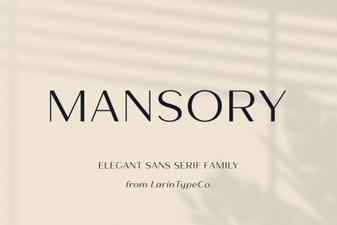 Mansory Font: Design with Distinctive Style
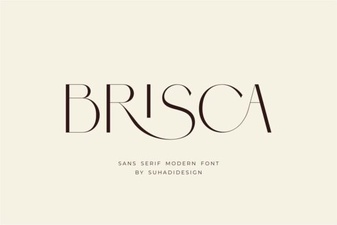 Brisca Font: Creative Typeface Projects & Design Tips
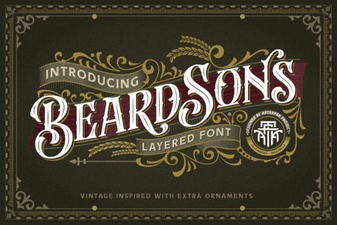 The Beardsons Font: for Creative Design & Typography
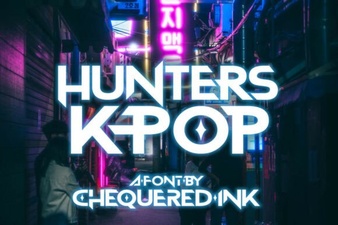 Hunters Font: Creative K-Pop Design Ideas
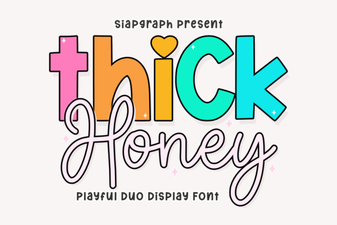 Thick Honey Duo Font for Creative Projects