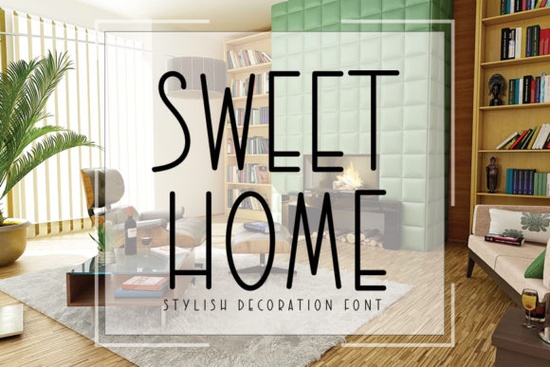
Finding a typeface that stays readable across different sizes while keeping a clean look saves hours of revision work. Sweet Home Font delivers exactly that by offering a minimal sans serif style that works quietly in the background while keeping your message clear. Whether you are laying out a product label, designing a simple logo, or setting up text for a printable planner, this typeface gives you a reliable foundation without unnecessary decorative details.
Why choose a minimal sans serif for daily projects?
Clean letterforms remove visual noise and help your audience focus on the content. A straightforward typeface reduces the risk of clashing with illustrations or product photography. This style keeps consistent stroke widths and open counters, so it holds up well on screens and printed materials. Small business owners and print-on-demand sellers prefer this approach because it scales smoothly from tiny care labels to large banners. The neutral character also means you can shift brand colors without changing your typography.
Keeping a dependable sans serif in your library cuts down on decision fatigue. When you want to explore other structured lettering choices for contrast, a minimal base font ensures your layout stays balanced.
Where does this style work best?
A neat sans serif fits a wide range of creative tasks. You will commonly see it used for:
- Brand identities that need a calm, professional tone
- Product packaging where ingredient lists must stay legible
- Digital downloads like worksheets and planners
- Apparel and tote bags featuring short phrases
- Social media templates requiring quick mobile readability
Crafters appreciate how easily these uniform shapes cut on vinyl or print on cardstock. The straightforward lines reduce weeding time and prevent ink bleeding on textured paper.
How do I pair it without creating clutter?
Font pairing works best when you create clear contrast. Since this design stays neutral, it supports expressive lettering without fighting for attention. Place a handwritten script or bold display font in the headline position, then use the sans serif for subheadings and body copy. Adjust size or spacing rather than adding extra decorative fonts.
When you need a softer companion for quotes, you might look at friendly type families that share similar proportions. For projects leaning toward a refined feel, browsing timeless sans serif designs can give you additional weights. Stick to two typefaces maximum per project.
What should I verify before commercial use?
Licensing and technical setup matter just as much as aesthetics. Before adding any typeface to a client project, verify the included license terms. Some packages cover personal use only, while others allow print-on-demand sales or digital distribution. Always read the creator’s notes to confirm what is permitted. Install the desktop files for design software and test the typeface at small sizes to check readability. Print a sample sheet to see how ink interacts with your paper stock. If you want to grab the complete font package, download all available weights so you never miss special characters mid-project.
Many designers compare options by typing Sweet Home Font into the marketplace search to preview sample text and check included glyphs before downloading.
Quick setup checklist before you start designing
- Install the OTF or TTF files and restart your design software
- Test uppercase, lowercase, numbers, and punctuation in a short paragraph
- Adjust tracking slightly if you plan to use all caps for headlines
- Print a draft at actual size to verify spacing and ink coverage
- Confirm the commercial license covers your intended sales channel
Keep your layout simple, let the clean letterforms handle the readability, and you will finish projects faster with fewer revisions.
Download Now Mansory Font: Design with Distinctive Style
 Embrace Timeless Typography with Modern Heritage Fonts
 Brisca Font: Creative Typeface Projects & Design Tips
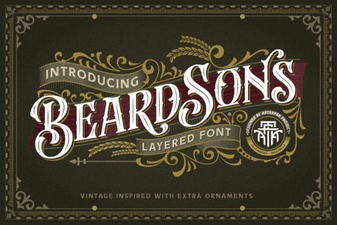 The Beardsons Font: for Creative Design & Typography
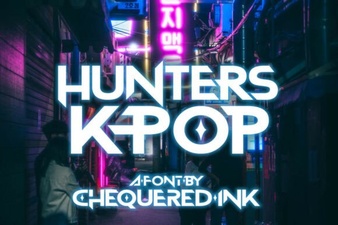 Hunters Font: Creative K-Pop Design Ideas
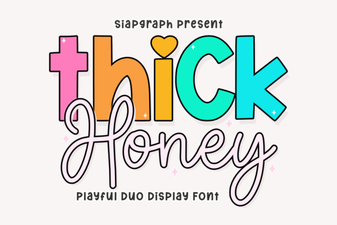 Thick Honey Duo Font for Creative Projects