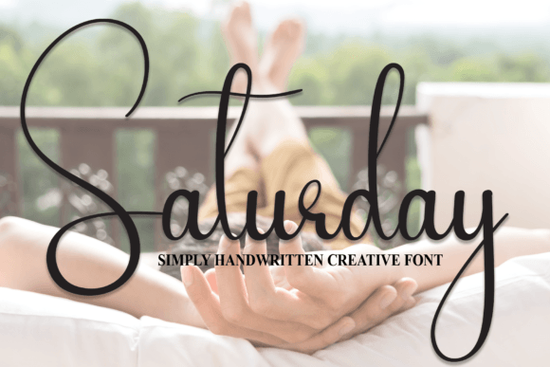
If you need a typeface that feels approachable without looking messy, Saturday Font delivers exactly that. It’s a straightforward handwritten style that skips the overly decorative swirls and focuses on clear, readable letterforms. Crafters, print-on-demand sellers, and small business owners often reach for this kind of script because it works across greeting cards, social media graphics, product labels, and digital presentations without fighting for attention. You can check out Saturday Font directly if you want to review the full character set and licensing terms before adding it to your library.
Why does a simple handwritten style work better for everyday projects?
Complex scripts often look beautiful in isolation but become difficult to read at smaller sizes or on textured backgrounds. A clean, friendly handwritten typeface solves that problem by keeping the strokes consistent and the spacing predictable. When you’re designing mug wraps, tote bag prints, or wedding invitations, you want letters that feel personal but still legible from a distance. This balance is especially useful for print-on-demand products where customers scan designs quickly on mobile screens. If you prefer fonts that mimic real pen strokes, you’ll notice how the uneven baseline and subtle variations give just enough character without crossing into clutter.
Which file formats and features should you actually need?
Most modern design workflows require more than a basic TTF file. When you download a reliable script, you’ll typically get OTF and TTF versions, web font files, and sometimes SVG or layered formats for cutting machines. For crafters using Cricut or Silhouette, having clean vector paths means fewer weeding issues and smoother cuts on vinyl or cardstock. Designers working in Adobe Illustrator or Canva will appreciate alternate glyphs, ligatures, and multilingual support, which let you swap out standard letters for more organic variations. You can review the details about this particular script style to confirm which formats match your software and cutting setup.
How do you pair it with other typefaces without creating visual noise?
Script fonts rarely work well alone. The safest approach is to pair a handwritten style with a neutral sans-serif or a sturdy serif that handles the heavy reading. Keep the script for headlines, short quotes, or brand names, and let the secondary font carry paragraphs, instructions, or pricing details. When you’re testing combinations, watch the x-height and weight contrast. A light, airy script pairs nicely with a medium-weight geometric sans, while a thicker handwritten style needs a thinner companion to avoid looking heavy. If you lean toward clean signature-style lettering, stick to two fonts maximum per layout. Adding a third typeface usually breaks the visual hierarchy and makes the design feel unfinished.
Where does it fit best in a small business or crafting workflow?
Versatility matters when you’re juggling multiple product lines. A friendly handwritten typeface slides easily into different niches because it doesn’t lock you into a single theme. Here’s where it tends to perform well:
- Greeting cards and stationery: Short messages, names, and dates stand out without overwhelming delicate illustrations.
- Apparel and tote bags: Single-line quotes or brand logos print cleanly on fabric, especially when you adjust tracking slightly for screen printing or DTG.
- Digital planners and presentations: Section headers and callout boxes feel more human when they break away from rigid corporate typefaces.
- Product packaging and labels: Ingredient lists stay in a standard font, while the product name or flavor gets a warm, handwritten touch.
When you’re exploring alternatives, you might also test softer, rounded typefaces for children’s products or more playful, vintage-inspired options for seasonal campaigns. Switching between a few reliable scripts keeps your catalog fresh without forcing you to rebuild your template library from scratch.
What should you verify before using it in commercial products?
Licensing is the part most creators skip until they run into trouble. Even if a font feels free-spirited, the commercial terms dictate where you can legally apply it. Always verify whether the license covers digital downloads, physical merchandise, client work, or web embedding. Some licenses limit the number of end products or require an extended tier for print-on-demand marketplaces. Keep a simple spreadsheet of your purchased fonts, license types, and permitted uses. When you audit your files before launching a new collection, you’ll avoid takedown notices and protect your shop’s reputation. Double-check the commercial terms before uploading designs to Etsy, Amazon Merch, or your own storefront.
Before you finalize your next project, run through this quick setup checklist:
- Install both OTF and TTF versions, then restart your design software to refresh the font menu.
- Test readability at 12pt, 24pt, and 48pt to confirm the strokes hold up across different print sizes.
- Adjust letter spacing by +10 to +20 units if the script feels too tight on dark or textured backgrounds.
- Pair with a single neutral sans-serif and limit the script to headlines or short phrases.
- Verify your commercial license covers the exact product type and sales platform you plan to use.
Save these steps as a template note in your project folder. Consistent testing and proper licensing will keep your workflow smooth and your designs ready for sale.
Get Started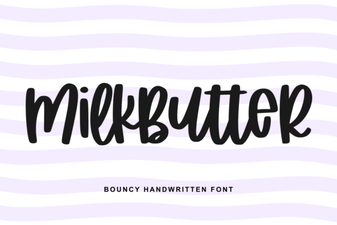 Milkbutter Font for Clean, Creative Web Design
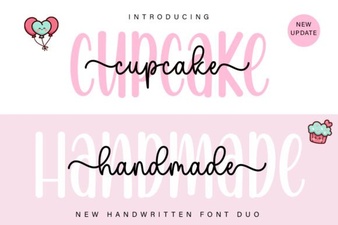 Cupcake Handmade Duo Fonts for Creative Projects
 Fresh & Free Hipster Fonts for Summer Projects
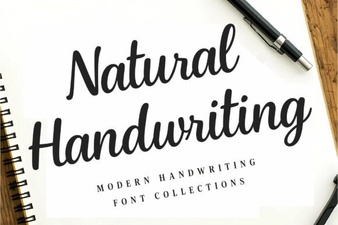 Design Creative Projects with Natural Handwriting Fonts
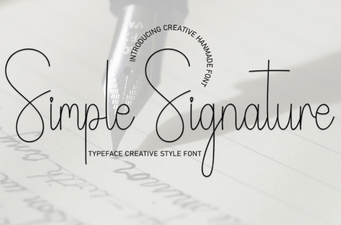 A Font for Signatures That’s Easy & Beautiful
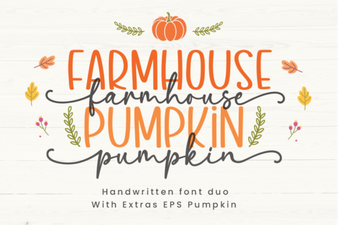 Farmhouse Pumpkin Font Design Ideas & Inspiration