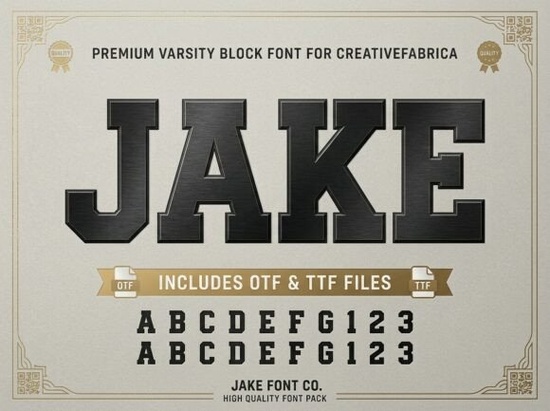
If you need a typeface that reads clearly from a distance and carries that classic collegiate weight, Jake Font delivers exactly that. Built with sharp slab serifs and a heavy, blocky structure, it mirrors the lettering you see on university jackets, gym banners, and team jerseys. Designers and print-on-demand sellers often look for a reliable varsity style that doesn’t lose detail when scaled down for labels or blown up for event posters, and this one handles both without looking cluttered.
What makes this varsity style work so well for sports and team branding?
The secret lies in its proportions. Jake uses wide character widths and thick vertical stems, keeping letters legible on textured fabrics or from a distance. The slab serifs add structure so the heavy weight never feels flat. When laying out jersey numbers or club logos, you need a typeface that holds its shape after washing and heat pressing. These solid strokes reduce ink bleed and make weeding vinyl much simpler for crafters.
Small business owners running local leagues or school fundraisers will also notice how quickly it communicates authority. There’s no guesswork for the reader. The letters stand out, align neatly, and create that familiar athletic aesthetic without requiring extra decorative elements.
Where does a heavy block typeface fit in a print-on-demand workflow?
Print-on-demand shops thrive on designs that translate well across different products. This sturdy construction works best on apparel, tote bags, water bottles, and wall art where bold typography is the main focus. Because the characters are already dense, you can skip heavy drop shadows or thick outlines that often cause registration issues during printing. Instead, try using negative space, subtle texture overlays, or a simple two-color split to keep the design clean and production-friendly.
When setting up your files, remember to convert the text to outlines before exporting. This prevents missing font errors and keeps your spacing exactly as you designed it. If you’re selling digital templates, include a quick note about recommended print sizes so buyers know where the typeface performs best.
How do you pair a commanding varsity font with other display styles?
Heavy lettering needs breathing room. The easiest approach is to pair it with a lighter, more relaxed typeface for secondary information like dates, locations, or sponsor names. When you want to experiment with contrasting display fonts, you can test a structured stacked layout for subheadings or try a soft rounded pairing to balance the sharp edges. Some designers also mix in a modern editorial style for merchandise tags, or lean into a playful heavy alternative when the project calls for a less formal vibe. If you’re designing for youth leagues or casual gym wear, a friendly handwritten accent can soften the overall composition without competing for attention.
What should you check before sending your design to print or cut?
Heavy fonts look great on screen, but production requires extra checks. Start by reviewing your kerning. Varsity styles need tighter spacing to feel cohesive, but pushing letters too close can cause vinyl cutters to tear or screen prints to merge. Keep a two-millimeter gap between characters for heat transfer vinyl. Also verify color contrast, since dark ink on dark fabric hides sharp serifs. Test a light underbase or switch to a high-contrast palette.
File format matters too. Export vector files as PDF or SVG for crisp edges, and stick to 300 DPI PNGs if your print provider requires raster images. Always run a small test print on the actual material before fulfilling a large order. Fabric texture, ink absorption, and heat press temperature can all shift how the final letters appear.
Is Jake Font the right choice for your next project?
If your goal is to create sports merch, team branding, or bold promotional graphics that read instantly, this typeface fits the job. It’s built for impact, scales reliably, and removes the need for extra decorative effects. You can explore Jake Font on Creative Fabrica to check licensing details, download the full character set, and see how it performs in your preferred design software. Most commercial licenses cover standard print-on-demand sales, but always verify the terms if you plan to embed the font in digital products or apps.
Quick pre-production checklist:
- Convert text to outlines before exporting final files
- Leave at least 2mm spacing between heavy characters for vinyl cutting
- Test print on the exact fabric or material you’ll use for the final run
- Pair with a lighter secondary font to keep layouts readable
- Confirm commercial license coverage for your specific sales channel
Run through these steps, adjust your spacing as needed, and your design will be ready for production without last-minute fixes.
Explore Design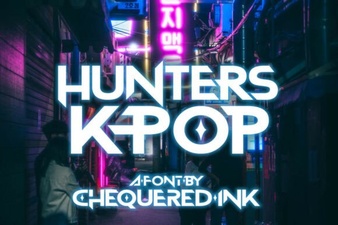 Hunters Font: Creative K-Pop Design Ideas
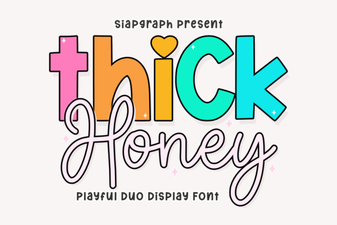 Thick Honey Duo Font for Creative Projects
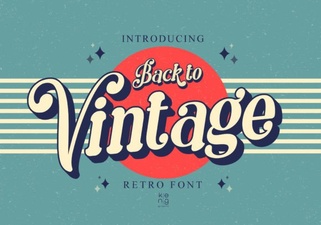 Vintage Fonts for Modern Design Projects
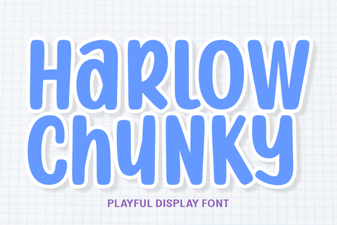 Harlow Chunky Font: Design Projects & Inspiration
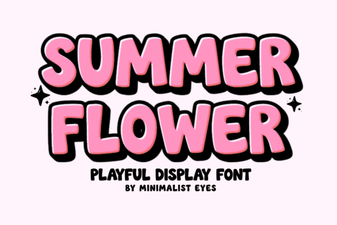 Fresh Fonts for Summer Flower Designs & Crafts
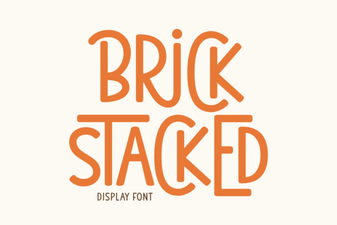 Creative Brick Stacked Typography Projects